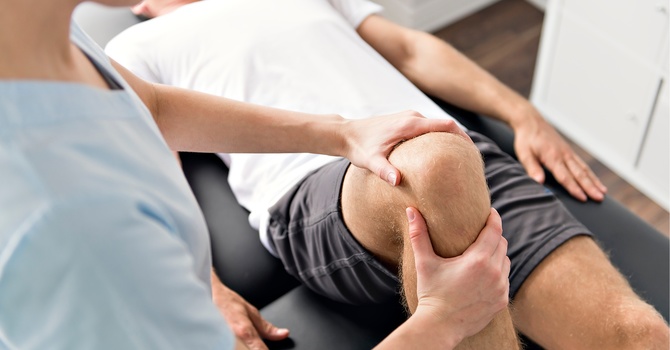
An ACL injury can feel overwhelming—especially if you are active, play sports, or simply want to return to walking, exercising, or daily activities without pain or instability. Whether you recently tore your ACL or underwent surgery, understanding the recovery process can help you feel more confident and prepared.
Recovery after an ACL injury takes time, patience, and proper rehabilitation. One of the most important factors for a successful outcome is physical therapy.
What Is the ACL?
The Anterior Cruciate Ligament (ACL) is one of the major ligaments in the knee. It helps stabilize the knee joint and prevents excessive forward movement and twisting of the shin bone.
The ACL is especially important for activities involving:
- Running
- Jumping
- Pivoting and changing directions
- Sports such as basketball, soccer, football, skiing, and tennis
When the ACL becomes injured or torn, the knee may feel unstable, weak, painful, or unable to tolerate movement.
How Does an ACL Injury Happen?
ACL injuries often occur suddenly and are commonly caused by:
- Sudden changes in direction while running
- Landing awkwardly after a jump
- Twisting or pivoting movements
- Direct contact or collision during sports
- Sudden stops or deceleration
Many people describe hearing or feeling a “pop” at the time of injury, followed by swelling and difficulty walking.
Signs and Symptoms of an ACL Tear
Common symptoms include:
- A popping sensation during injury
- Immediate swelling in the knee
- Pain with walking or weight bearing
- Knee instability or “giving out”
- Reduced range of motion
- Difficulty with stairs, squatting, or athletic movements
If you suspect an ACL injury, a healthcare provider may recommend imaging studies such as an MRI to confirm the diagnosis.
Do All ACL Tears Require Surgery?
Not always.
Some individuals—particularly less active adults or those without significant instability—may improve with conservative treatment and physical therapy alone.
However, ACL reconstruction surgery may be recommended if:
- The knee frequently gives out
- You want to return to sports involving cutting or pivoting
- There are additional injuries (such as meniscus damage)
- Instability affects daily function
Your orthopedic provider and physical therapist can help determine the best treatment plan based on your goals and lifestyle.
What to Expect During ACL Recovery
Recovery after ACL surgery—or even non-surgical rehabilitation—occurs in phases.
Phase 1: Early Recovery (0–6 Weeks)
The initial focus is reducing pain and swelling while restoring movement.
Goals often include:
- Managing swelling and discomfort
- Restoring knee extension and flexion
- Walking safely (with crutches if needed)
- Activating the quadriceps muscles
- Improving weight-bearing tolerance
At this stage, physical therapy helps protect healing tissues while preventing stiffness and weakness.
Phase 2: Strength and Stability (6–12 Weeks)
As healing progresses, therapy shifts toward rebuilding strength and improving movement quality.
Treatment may include:
- Leg strengthening exercises
- Balance and proprioception training
- Gait retraining
- Functional movement exercises
- Core and hip strengthening
Proper mechanics are important during this stage to avoid compensations and reduce reinjury risk.
Phase 3: Functional Recovery (3–6 Months)
Patients begin progressing toward more advanced movement and activity.
Goals may include:
- Improved endurance and mobility
- Single-leg control and balance
- Controlled jumping and landing mechanics
- Agility and coordination drills
Physical therapists closely monitor movement patterns and knee control before advancing activities.
Phase 4: Return to Sport (6–12+ Months)
Returning to sports too soon may increase the risk of reinjury.
Before clearance, patients are often assessed for:
- Strength symmetry between legs
- Balance and coordination
- Jumping mechanics
- Knee stability and confidence
- Functional performance testing
Every recovery timeline is different, and progress should be based on function—not just time.
Why Physical Therapy Is Essential for ACL Recovery
Physical therapy is one of the most important parts of ACL rehabilitation.
A personalized rehab program helps:
1. Restore Knee Strength
Muscle weakness—especially in the quadriceps and hamstrings—is common after ACL injury or surgery. Therapy helps rebuild strength safely and progressively.
2. Improve Stability and Balance
After an ACL injury, coordination and joint awareness may decrease. Neuromuscular training helps retrain balance and movement control.
3. Reduce Pain and Swelling
Targeted exercises and movement strategies help decrease stiffness and improve circulation.
4. Prevent Reinjury
Many ACL reinjuries occur because patients return to activity before strength and movement patterns fully recover. Skilled rehabilitation helps reduce this risk.
5. Safely Return to Daily Activities and Sports
Physical therapy bridges the gap between healing and real-life function, helping patients return to walking, exercise, work, and sports safely.
Common Mistakes During ACL Recovery
Avoiding these mistakes can improve outcomes:
- Returning to sports too early
- Skipping rehabilitation sessions
- Ignoring swelling or pain
- Focusing only on strength without balance training
- Comparing your recovery timeline to others
Recovery is individual, and gradual progression is key.
How Long Does ACL Recovery Take?
Recovery varies depending on injury severity, surgery type, activity level, and adherence to rehabilitation.
General timelines include:
- Walking comfortably: 2–6 weeks
- Strength rebuilding: 2–4 months
- Running progression: Around 3–5 months (depending on progress)
- Return to sport: Typically 6–12+ months
A structured rehabilitation program often leads to better outcomes and improved long-term knee health.
Final Thoughts
Recovering from an ACL injury requires more than just rest—it requires structured rehabilitation, patience, and consistent progression.
Whether you are recovering after ACL surgery or managing an injury conservatively, physical therapy plays a key role in restoring strength, mobility, confidence, and function while reducing reinjury risk.
If you are struggling with knee instability, pain, or post-surgical recovery, working with a skilled physical therapist can help you safely return to the activities you enjoy.
Need help with ACL recovery? Our one-on-one physical therapy sessions focus on personalized rehabilitation, strength rebuilding, mobility, and safe return to daily activities and sports.
Jerome Rivera
Contact Me